
AI requires infrastructure
Model training and inference depend on the physical buildout of compute, power, and connectivity.

Acquire, entitle, and prepare commercial real estate in high-growth Texas markets — creating potential value before institutional demand arrives.
Growth corridors across DFW, Austin, San Antonio, and Houston.
Acquire, entitle, and prepare commercial real estate for buyers.
Positioned ahead of institutional data-center capital.
AI growth is increasing demand for physical infrastructure — the land, power access, and development-ready sites needed to support future data center expansion. FISYN’s strategy focuses on the real estate behind that growth.
Model training and inference depend on the physical buildout of compute, power, and connectivity.
Hyperscale and colocation campuses need large, contiguous, development-viable parcels.
Capital concentrates on sites that are already entitled, powered, and infrastructure-prepared.
12% annualized income, paid monthly, plus 20% equity participation, underwritten against the spread between raw land basis and entitled, infrastructure-ready value.
Parcels are bought below replacement and pre-entitlement value in corridors where growth is already committed — return is protected at entry, not at exit.
Zoning, platting, and permitting convert raw acreage into a developable asset. This re-rating is the primary driver of the targeted return.
Substation proximity, interconnect queue position, and water/utility routing are the constraints hyperscale buyers pay a premium to skip.
Prepared sites are marketed to developers, hyperscalers, and industrial capital already competing for shovel-ready land in Texas.
Target returns are objectives, not guarantees. Past performance does not predict future results. See fund documents for full terms and risk factors.
For data center development, location alone is not enough. Sites need access to power, infrastructure planning, zoning pathways, and development viability. FISYN’s value-add approach focuses on moving land closer to that institutional-ready stage.
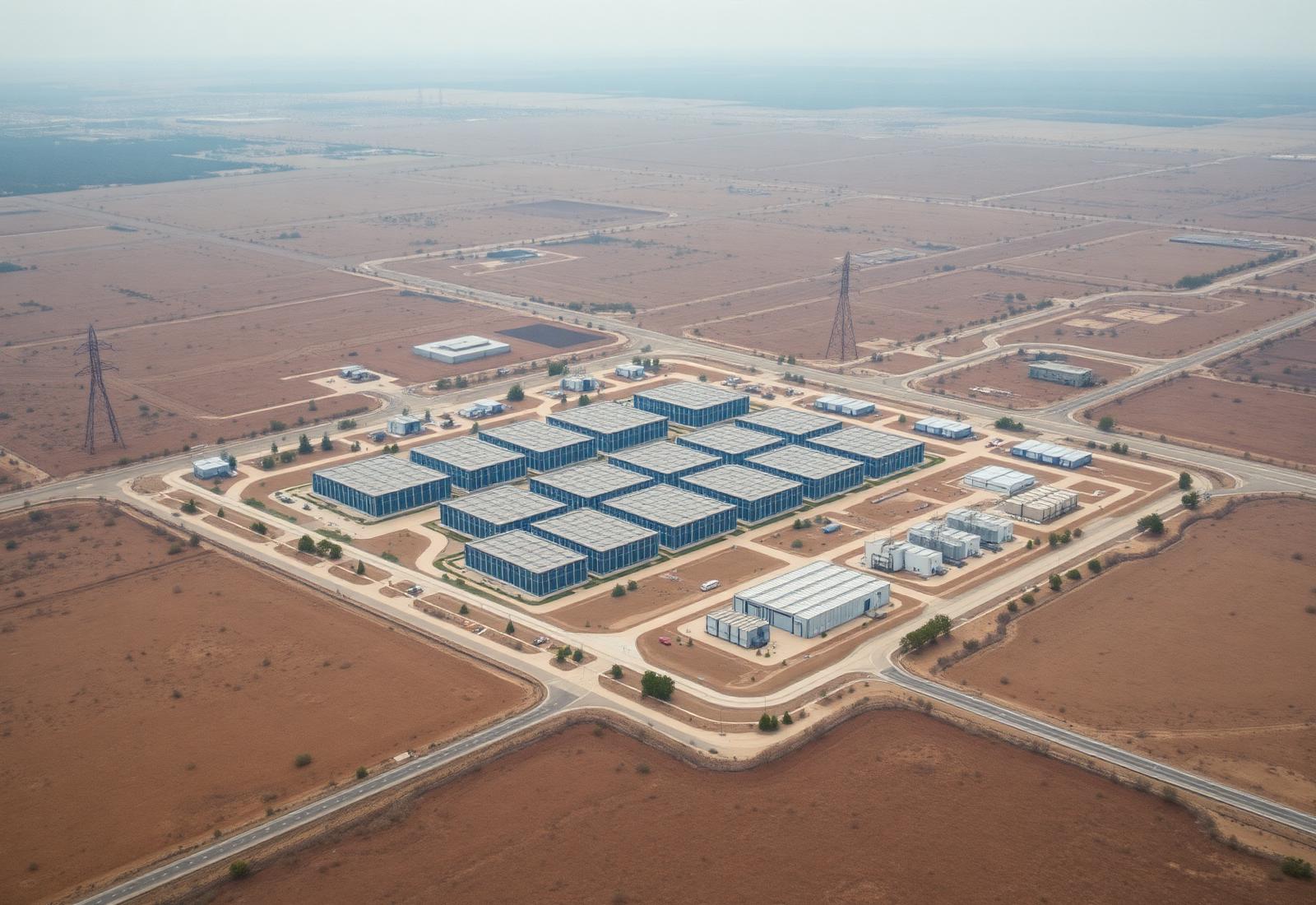
FISYN maps substation proximity, available capacity, and interconnect queue position with the local utility before an offer is made. Parcels without a credible path to meaningful load are passed on.
The strategy is designed to be simple: identify undervalued commercial real estate in growth markets, improve its development readiness, and position it for demand from larger buyers, developers, or institutional users.
Identify undervalued commercial parcels in active Texas growth markets.
Advance zoning, permitting, and approvals to expand development options.
Coordinate power, utilities, and site planning for institutional viability.
Surface readiness to developers, hyperscalers, and large capital buyers.
Pursue exits aligned with the maturity of the digital infrastructure cycle.
Texas continues to attract population growth, business migration, infrastructure investment, and demand for strategically located commercial land. For investors, that creates a potential window to access real estate before larger institutional demand moves in.
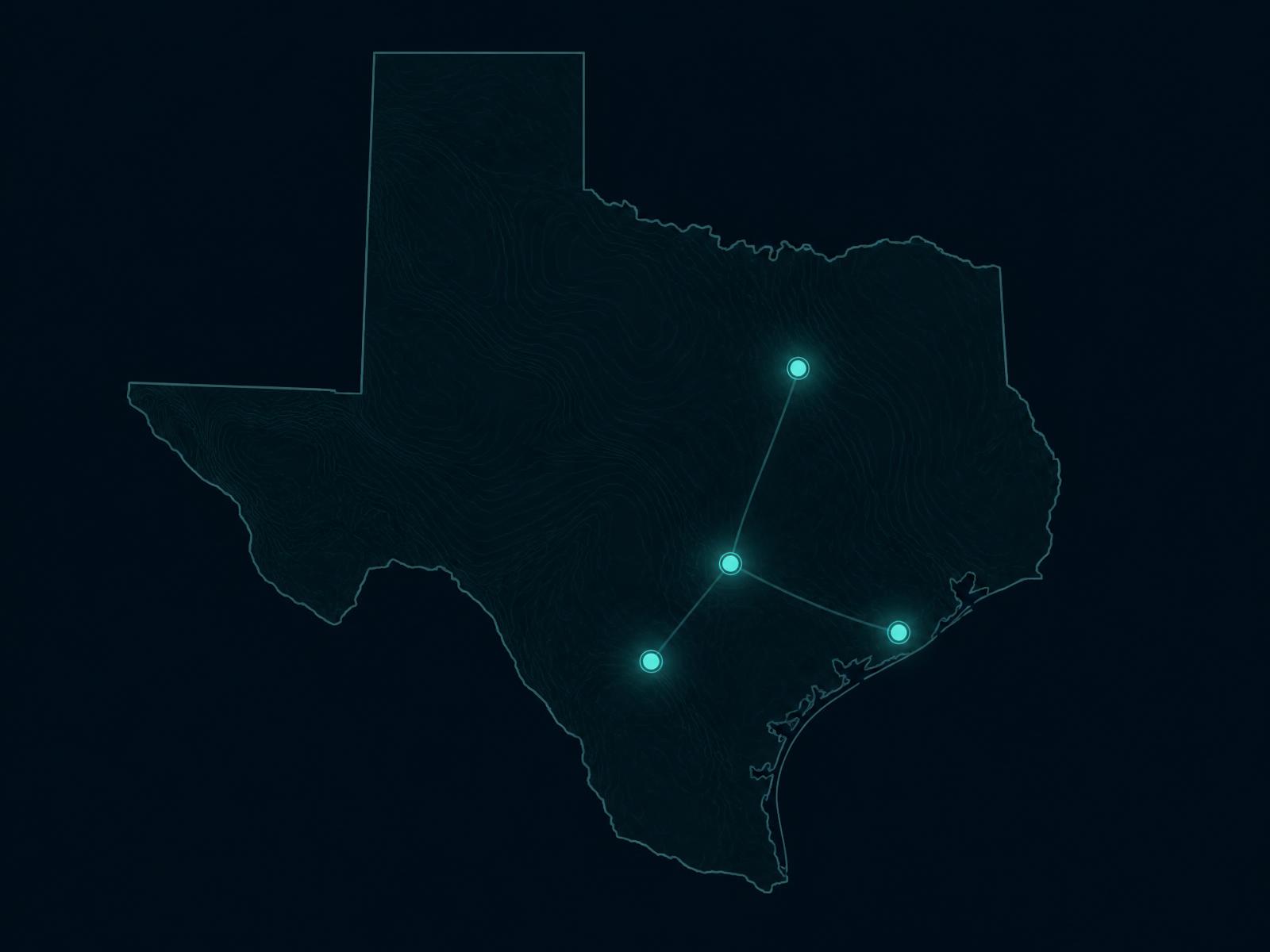
Deregulated ERCOT grid with faster interconnect paths than most US markets.
Large contiguous parcels remain available inside metro growth corridors.
Entitlement timelines lag demand, creating a window ahead of institutional capital.
As digital infrastructure expands, questions around power, water, land use, and community impact are becoming more important. FISYN’s approach is focused on thoughtful site selection and responsible development planning, with an emphasis on reducing unnecessary strain on local resources where possible.
Site selection that weighs available capacity and grid context.
Preference for designs that reduce water intensity where viable.
Parcels evaluated against land use and surrounding context.
Pathways focused on long-term economic and infrastructure benefit.

FISYN brings experience in Texas real estate, entitlement strategy, and investor education. The team’s approach is grounded in identifying practical opportunities, simplifying the investment thesis, and helping investors understand the role private real estate can play in a broader portfolio.
Deep familiarity with state-level markets, jurisdictions, and corridors.
Acquisition, entitlement, and development preparation handled directly.
Clear thesis, plain language, and ongoing communication for investors.
A view of the parcels FISYN is acquiring, entitling, and preparing for commercial and digital infrastructure use, alongside completed full-cycle exits.
Active or under contract across Texas
Land held across Texas metro corridors
Aggregate cost basis of land held
Across the current portfolio
Weighted across active positions
Plus 20% equity participation
Portfolio composition and AUM figures are current as of the latest reporting period and are provided in full in fund materials. Projected exit values, projected MOIC, target returns and hold periods are estimates only and are not guaranteed; actual results may vary. Past performance does not guarantee future results. Please review all applicable offering materials and risk disclosures before investing.
For accredited investors looking beyond traditional stocks and bonds, the FISYN Value-Add Fund offers exposure to a private real estate strategy connected to digital infrastructure growth.
A starting point for the conversations we have most often. For anything beyond this list, the FISYN team is happy to walk through it directly.
A private real estate fund focused on acquiring commercial land in Texas growth markets, advancing entitlement and development readiness, and positioning the assets for institutional demand connected to digital infrastructure.
The FISYN Value-Add Fund Investor Guide covers strategy, market thesis, portfolio snapshot, fee structure, and target terms. It is available only to qualified investors who register their interest with our team.

Land value-add approach and how value is created.
Why Texas and why digital infrastructure now.
Current properties, acreage, and target metrics.
Target terms, fee summary, and liquidity considerations.